
Ndakendaaswin Gamig Team
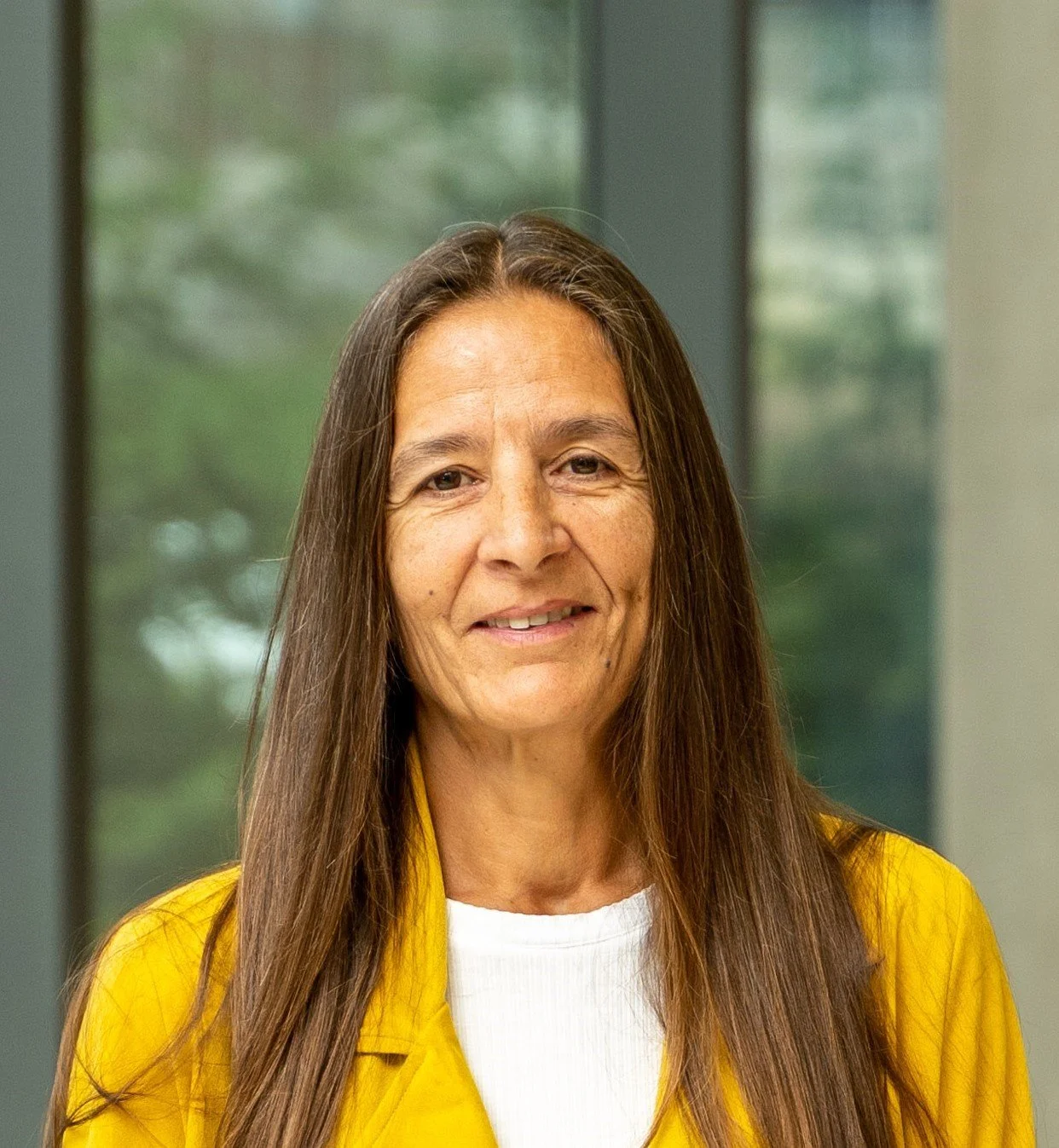
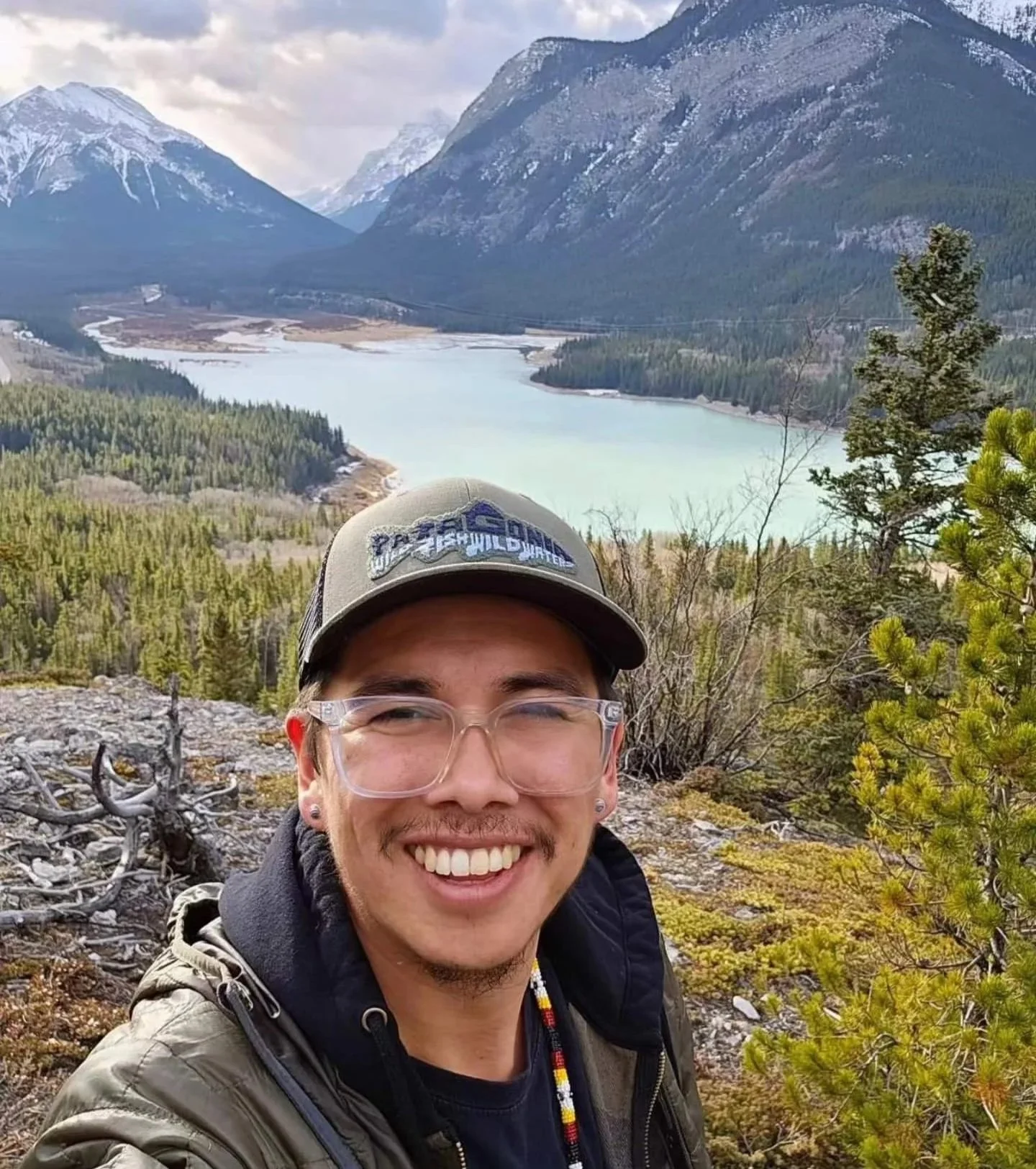
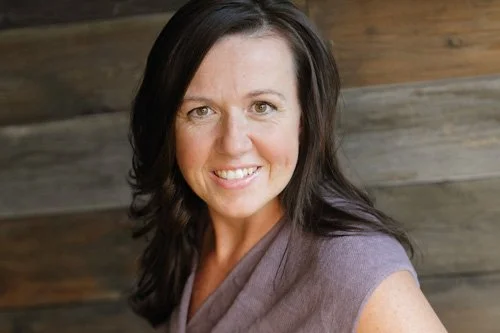
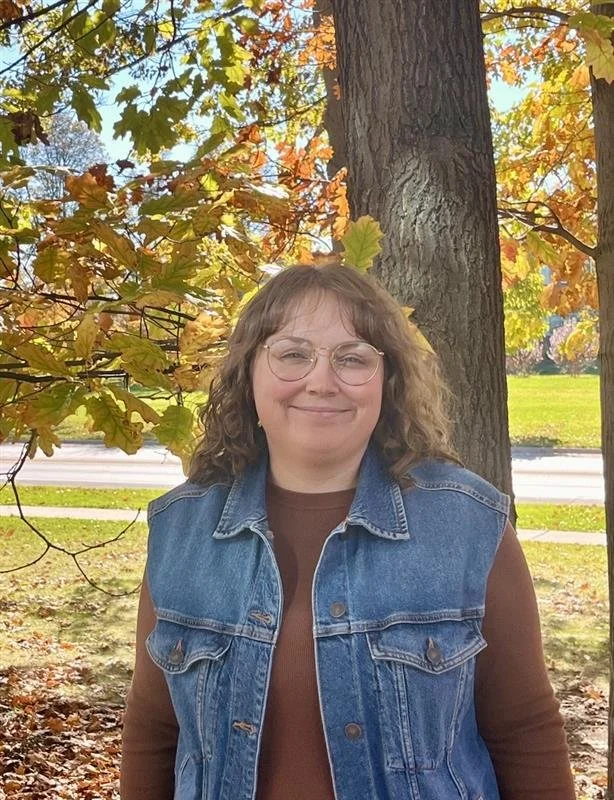
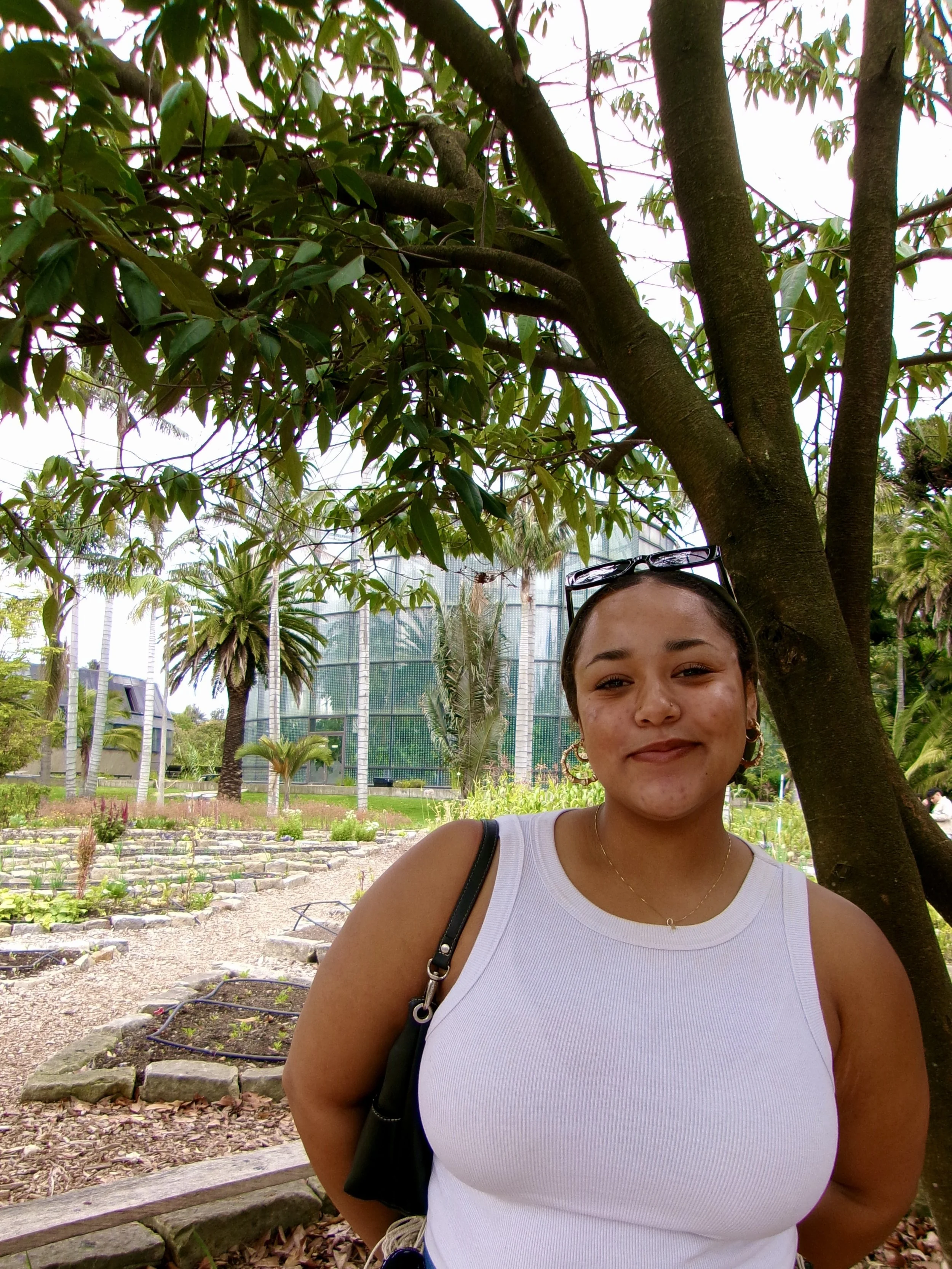
DR. SUSAN CHIBLOW
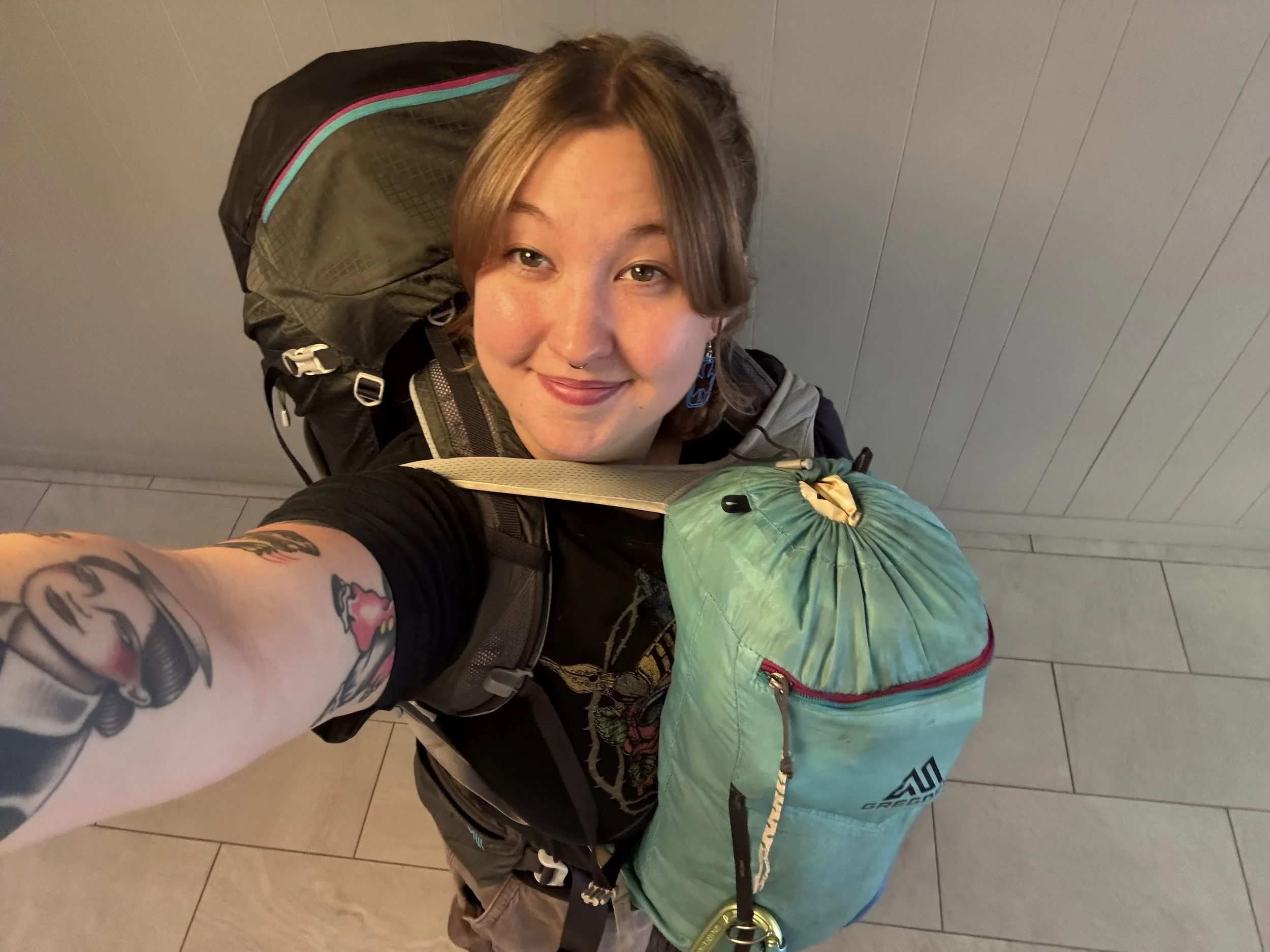
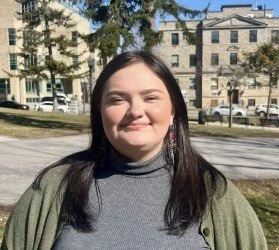
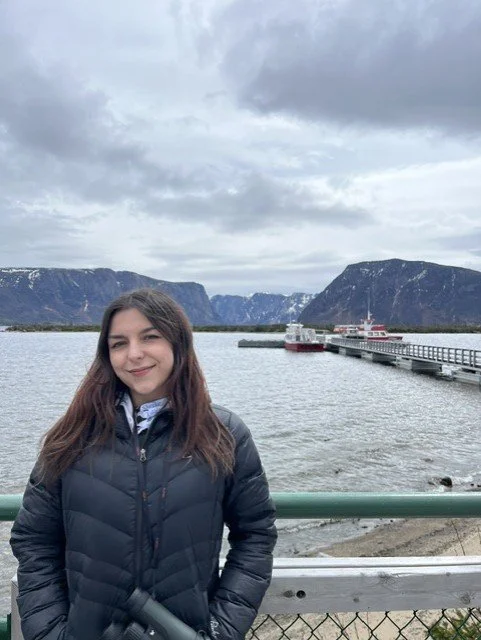
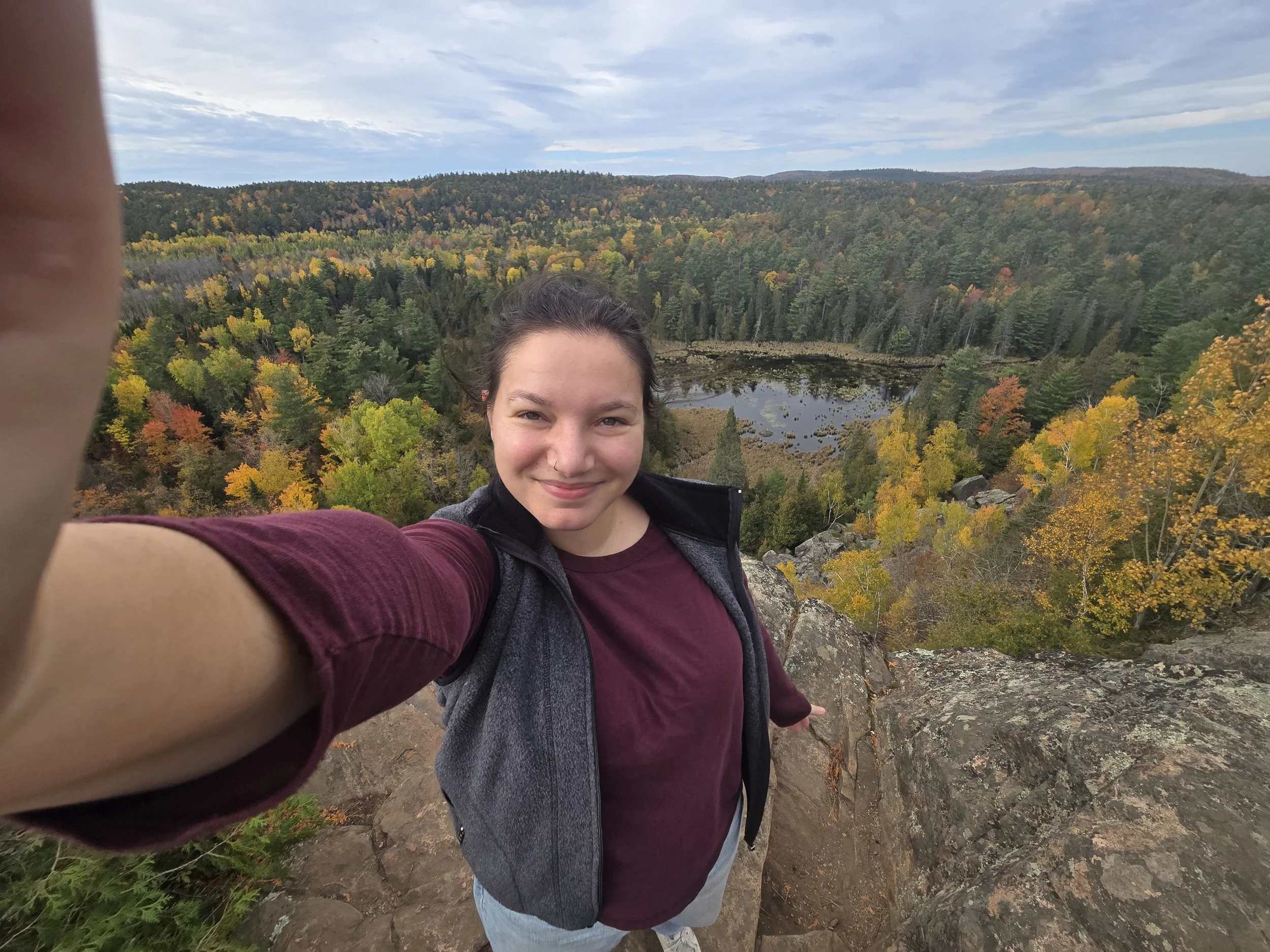
Dr. Susan (Sue) Bell Chiblow is Anishinaabe, born and raised in Garden River First Nation. Sue raised her family in GRFN and still lives in the community. She is a mother, a grandmother, and an Auntie. Sue has worked extensively with First Nation communities and Elders for the last 40 years in environmental related fields. She has a Bachelor of Science degree in Biology, a Masters in Environment and Management, and a PhD in Environmental Science with a focus on N'bi Kendaaswin(Water Knowledge). Sue is an Assistant Professor at the University of Guelph.
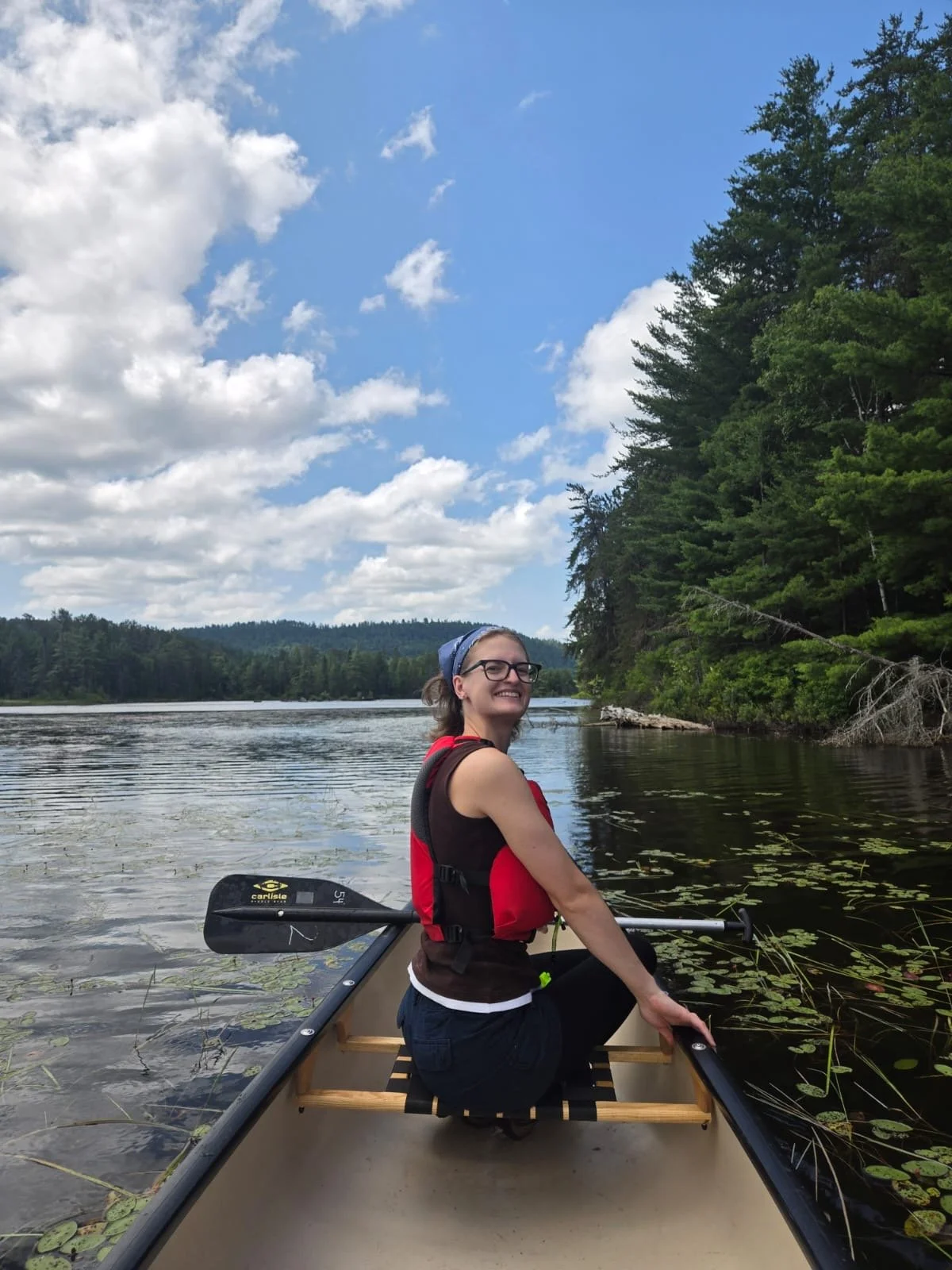
She loves being on the water and you will often find her in the bush harvesting.
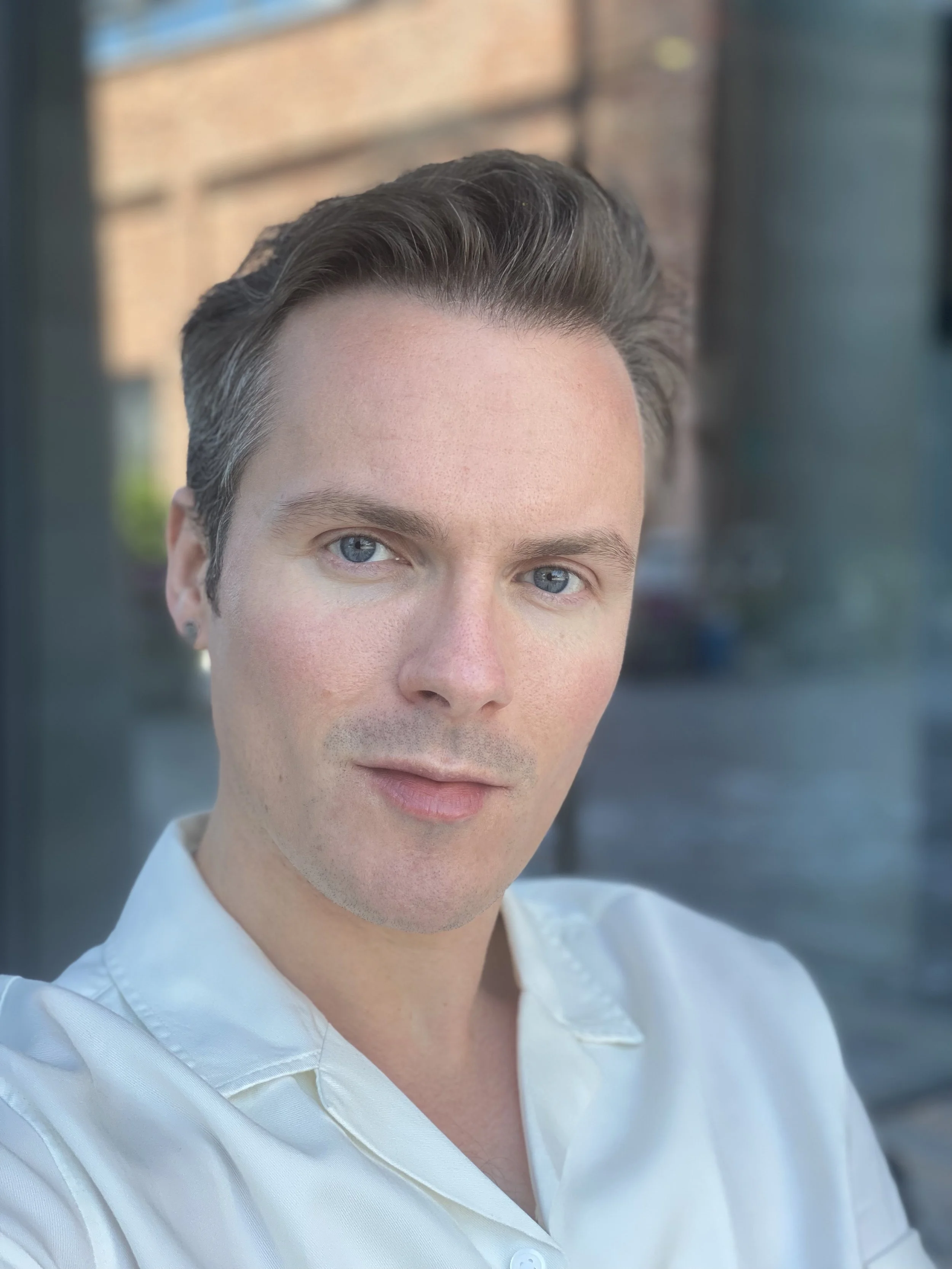
DR. PAUL
MEIGHAN
Dr. Paul Meighan is a Gael sociolinguist and researcher, Indigenous to the Scottish Highlands and Islands. His work explores relationships between language, land, and identity through Indigenous language revitalization, multilingual pedagogies, and Indigenous knowledge systems. He is Senior Research Associate in University of Guelph’s School of Environmental Sciences, supporting Indigenous-led, land-based research with Ndaakendaaswen Gamig, including the Learning from the Lands (New Frontiers in Research Fund) project. His work bridges linguistic diversity, biocultural diversity, and Indigenous environmental governance.
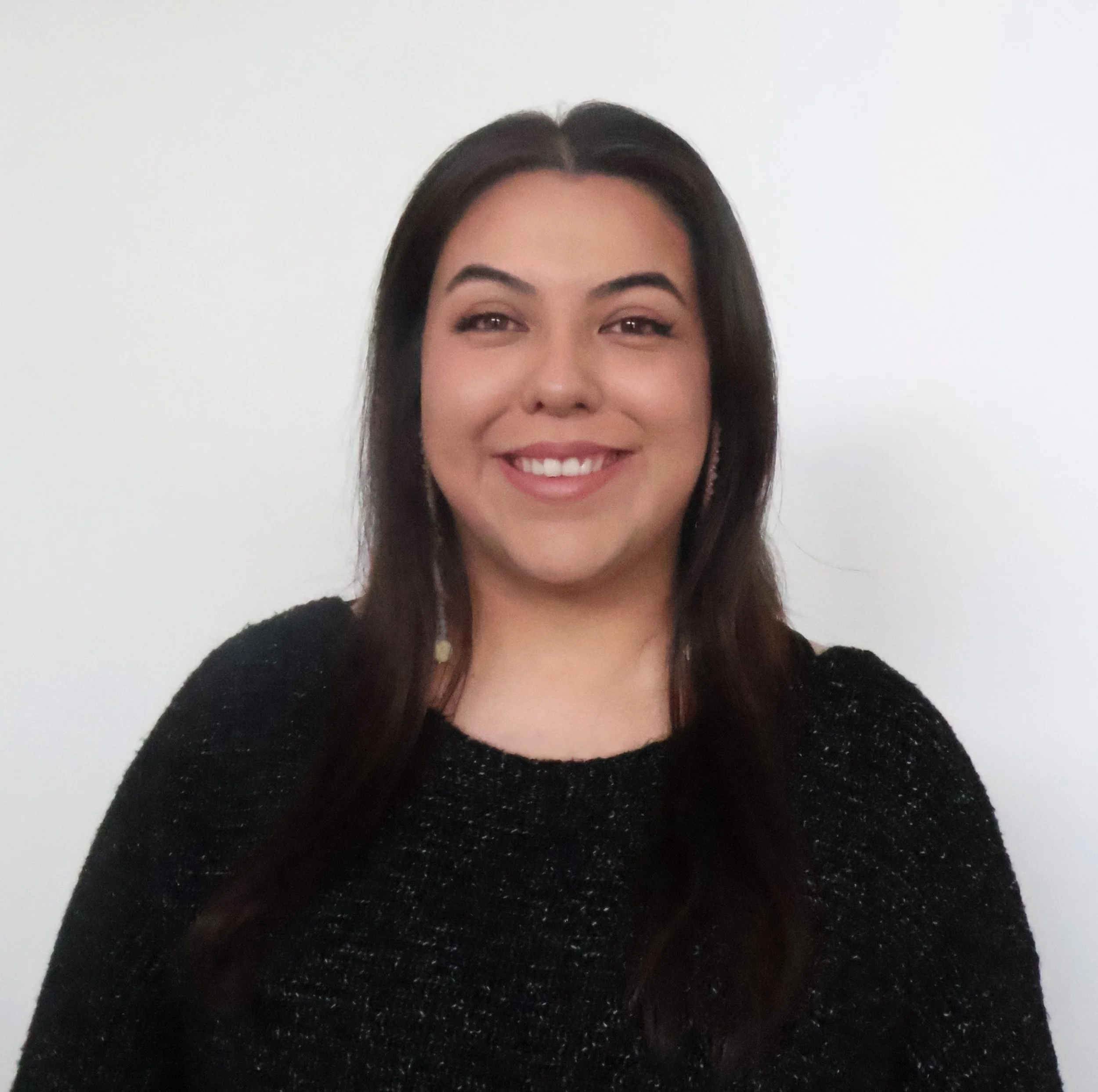
KRISTEN MCGREGOR
Kristen McGregor is a proud Anishinaabe woman from Whitefish River First Nation and is of the crane clan. Her focus is to help her community and people, along with continually learning from the Elders, knowledge carriers, researchers, and many others she connects with. She has graduated from Queen’s University with a Bachelor of Science, specialization in Kinesiology. She has worked on research projects involving traditional knowledge, land use, and Anishinaabe knowledge protection. Kristen is currently a helper for the Traditional Ecological Knowledge (TEK) Elders and community youth researcher through the Towards Sustainable Futures - Learning from the Lands project.
ROD WHITLOW
Rod Whitlow holds an Honours Bachelor of Science degree in biology from the University of Guelph. He is a member of the Kanienʼkehá꞉ka (People of the Flint). His career path, dedicated to public service and First Nations environmental health and water justice, spans more than 35 years and includes both past and on-going leadership and team roles in prominent Great Lakes water quality and environmental health research initiatives and projects at the community, watershed and Pre-Confederacy treaty levels. One such notable project was the “Effects on Aboriginals from the Great Lakes Environment (E.A.G.L.E.)” Project: a seven-year environmental health research partnership between the Assembly of First Nations (AFN) and Health Canada that examined the effects of persistent contaminants on the physical and socio-cultural health of First Nations within the Great Lakes basin. The research was coordinated through the AFN and guided by co-Principal Investigator, Dr. Henry Lickers, community researchers and a basin-wide First Nations’ Steering Committee.
QUINN MEAWASIGE
Quinn Meawasige is Anishinaabe from Serpent River First Nation. He graduated from Algoma University with a Bachelor of Arts in Community Economic and Social Development and a Certificate in Anishinaabemowin from Shingwauk Kinoomaage Gamig. Quinn currently works as the Northeast Community Relations Lead for Gaagige Zaagibigaa, a First Nations Food Self-Determination initiative servicing First Nations Peoples in Northern Ontario. Quinn is a founding member of The Waterways Collective, an Anishinaabe paddling collective whose recent work involves, paddling to pictograph sites, contaminants testing and environmental monitoring initiative in his community's waterways, micro fish hatchery operations, and a Manoomin (wild rice) revitalization initiative in his community’s homewaters. Quinn, along with members of The Waterways Collective are a Community Researcher in the Towards Sustainable Futures – Learning from the Lands Subproject. Quinn is an active harvester, fisherman, hunter, forager, language learn/advocate, and outdoor adventure seeker. He is always working to make land and water-based learning opportunities accessible for his family, community and peoples.
KELLY COOLEY
Kelly Cooley is a final-year Bachelor of Landscape Architecture student at the University of Guelph, graduating in April, and is pursuing a Master of Environmental Science. Her research interests include Indigenous-led environmental research, Traditional Ecological Knowledge, climate adaptation, and cultural continuity in community relocation. She is a Student Volunteer with the University of Waterloo’s Retreating from Risk initiative and serves on the Canadian Society of Landscape Architects (CSLA) and Ontario Association of Landscape Architects (OALA) Justice, Equity, Diversity, and Inclusion (JEDI) committees. Kelly also serves as Vice President of the Haldimand Horticultural Society, supporting community greening initiatives and youth engagement.
JASMINE MILLER
Jasmine Miller works as an administrative assistant in the Ndakendaaswin Gamig lab bringing years of experience working in administration in higher education at the University of Guelph. She loves to spend time outdoors, hiking the Bruce Trail, trying new recipes, and making art.
KENDALL BOISSONEAU-JOHNSON
Kendall is an Anishinaabe and Jamaican Kwe from Garden River First Nation. Growing up in Ketegaunseebee, she moved to Nogojiwanong (Peterborough) for her undergraduate degree at Trent University. She completed her Honours B.A. in Indigenous Environmental Science and Studies. She previously worked with and for Band councils, government, and non-profit policy work. Kendall is now attending the University of Guelph in the MSc Environmental Sciences program, working with Dr. Sue Chiblow on the All Our Chemical Relations project. Kendall is also working as a research assistant with EGESTA Lab under the supervision of Dr. Gunilla Öberg.
Kendall’s graduate studies is a continuation of learning and listening to the land and advocating for Indigenous caretakers and knowledge keepers to continue to preserve and love Aki (the earth) as much as she does. For all that came before her and to all who come after, she hopes to leave the earth (our mother) better than when she inherited it.
KATEY DAMBROWITZ
Katey is a settler who grew up in Edmonton Alberta, and completed her BSc in Marine Biology at the University of British Columbia. Katey is currently an MSc student studying the cultural and ecological efficacy of current invasive Ginebigomeg (sea lamprey) management strategies in the Laurentian Great Lakes through the lens of Indigenous Science. Her research focuses not only on the ecological impacts of invasion management approaches on migration limitations of non-target species, but also considers the social, cultural and traditional-harvest based impacts of these techniques on local Indigenous communities, specifically Garden River First Nation. Katey’s work is being conducted as a component of the Ginebigomeg project, which is contributing to a deeper understanding of Indigenous People’s relationships with “invasive species”, and understanding how language use affects relationships with and perceptions of our other-than-human relations. When she is not modelling the very best of what hip-wader-fashion has to offer, she is voraciously consuming all varieties of 90’s media (from Buffy the Vampire Slayer to Bikini Kill).
GRACE PHILIPS
Grace Phillips (she/her) is an MSc student in Environmental Sciences (One Health) at the University of Guelph. She holds a Bachelor of Health Sciences (Honours) and a Certificate in Law from Queen’s University, where her studies focused on human and environmental health. Grace is Anishinaabe Bear Clan from Beausoleil First Nation. Growing up in and around Georgian Bay fostered a deep connection to the land and water and shaped her passion for conservation and protecting the health of the environments and communities she is connected to. Her research explores how Indigenous Knowledge Systems, land-based learning, and Anishinaabek law can inform environmental health and chemical risk management. As part of the Ndaakendaaswen Gamig, Grace is particularly interested in the relationships between forestry practices, ecological change, wildfire, and community health.
TAYLOR AZZOPARDI
Taylor Azzopardi is a Master’s student in the Ndakendaaswin Gamig. Her project partners with Garden River First Nation and focuses on Anishinabek water knowledge and stewardship. She is a non-Indigenous student from Durham Region, Ontario. She grew up spending most of her time outdoors in the Great Lakes region. This lead to a passion for environmental stewardship and conservation that inspires her work. She aims to co-create a water monitoring framework that utilizes both Indigenous and Western monitoring tools.
CYNTHIA BRUER BENAMRA
Cynthia Bruer Benamra (she/her) is a 5th year Bachelor’s of Indigenous Environmental Science and Practice student minoring in Geography at the University of Guelph. She is a settler who was born and raised in Ottawa, Ontario. As part of her degree, she participated in the coop program which gave her experience working with Public Service and Procurement Canada’s Environmental Services team, the Water Survey of Canada, and the Toronto District School Boards Outdoor Education Department. Currently, Cynthia is working as an Undergraduate Research Assistant under Dr. Sue Chiblow and supporting the Learning from the Lands projects. She is passionate about protecting our water and supporting community centered research that uplifts Indigenous voices and knowledge. As part of her capstone research project, she is working on mapping spring water sites in Robinson Huron Territory and the importance of spring water for communities. When she is not in school or working at the lab, Cynthia loves to spend time on the water, hanging out with friends and family, and reading a good book!
HENDRIKA CARRIÈRE SONNENBERG
Hendrika Carrière Sonnenberg (they/them) is a born-and-raised Guelphite and learner of mixed settler descent. They are currently finishing up their fifth and final year of the Bachelor of Indigenous Environmental Science and Practice at the University of Guelph.
Now an Undergraduate Research Assistant to Dr. Susan Chiblow, their journey with the Ndakendaaswin Gamig began as a volunteer back in August 2025 assisting with research gatherings guided by the Traditional Ecological Knowledge Elders group.
Hendrika’s life-long love of art and music has greatly informed how they approach the communication of knowledge. As someone who has an exhaustive record of both academic interests and personal hobbies, their passion lies in interdisciplinary collaboration and the bridging of knowledge paradigms to support creating a better future for generations to come.
Personal note from the learner:
Along with peers/friends from my program and professors throughout the disciplines, I have had such a strong support system that has not only extended my community, but informed my learning and view of the world. This is an incredible privilege, and Sue has been an extraordinary teacher who has shaped my passion for the field of environmental science. I am very grateful to be a part of the work she is doing, and I am thankful to everyone who has been a part of my journey so far.